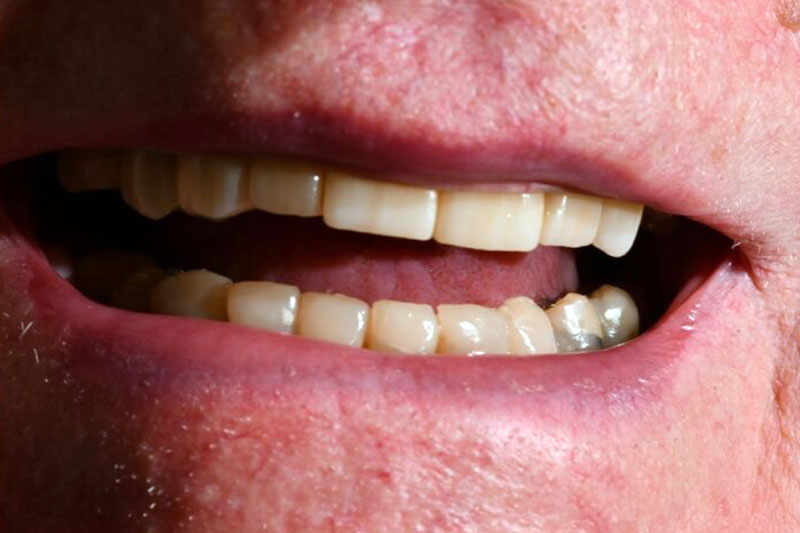
Enhance the appearance of your teeth
Composite bonding is a popular cosmetic dentistry treatment that is used to enhance the appearance of teeth. It involves the application of a tooth-colored composite resin material to the teeth, which is then shaped and polished to improve their shape, color, and overall aesthetic appeal. This procedure is versatile and can address various cosmetic concerns such as chipped, cracked, or stained teeth, as well as gaps between teeth.
Advantages of Composite Bonding:
- Aesthetically pleasing: Composite bonding allows for the creation of natural-looking results. The composite resin material can be matched to the color of your natural teeth, ensuring a seamless blend and a beautiful smile.
- Non-invasive: Unlike some other cosmetic dental procedures, composite bonding is a non-invasive treatment that typically requires little to no removal of the tooth enamel. This means that the natural tooth structure is preserved.
- Quick and efficient: The composite bonding procedure can often be completed in a single visit to the dentist. The process is relatively quick, making it a convenient option for patients who want immediate results.
- Versatile: Composite bonding can address various cosmetic issues, including repairing chipped or cracked teeth, closing gaps between teeth, reshaping irregularly shaped teeth, and even covering stains or discoloration.
The Composite Bonding Procedure:
- Consultation: The first step is to schedule a consultation with a dentist experienced in cosmetic dentistry. During this initial visit, you can discuss your concerns and goals for the treatment. The dentist will examine your teeth and determine if composite bonding is the appropriate solution for your needs.
- Preparation: If composite bonding is deemed suitable, the dentist will prepare your teeth by lightly roughening the surface. This helps the composite resin adhere better to the tooth structure. Local anesthesia is not usually required for this procedure, as it is minimally invasive.
- Bonding process: The dentist will apply a conditioning liquid to the teeth, which helps the composite resin adhere to the tooth surface. Next, the tooth-colored composite resin material is applied in layers. The dentist will carefully mold and shape the resin to achieve the desired appearance. A curing light is used to harden each layer of the composite material.
- Shaping and polishing: Once the composite resin has hardened, the dentist will shape and refine the bonded teeth to ensure proper alignment, symmetry, and a natural look. The teeth are then polished to give them a smooth, lustrous finish.
- Final adjustments: The dentist will check your bite and make any necessary adjustments to ensure comfort and proper alignment. They may also make small modifications to the shape or color of the composite bonding if needed.
Aftercare: - Composite bonding requires minimal aftercare. You should practice good oral hygiene by brushing your teeth twice a day, flossing daily, and scheduling regular dental check-ups. It’s important to avoid habits such as biting hard objects or opening packages with your teeth, as this can potentially damage the bonded composite material.
Overall, composite bonding is an effective and versatile cosmetic dentistry treatment that can significantly improve the appearance of teeth. Its advantages lie in its natural-looking results, non-invasiveness, efficiency, and versatility in addressing various cosmetic concerns. Consult with a qualified dentist to determine if composite bonding is the right choice for enhancing your smile.
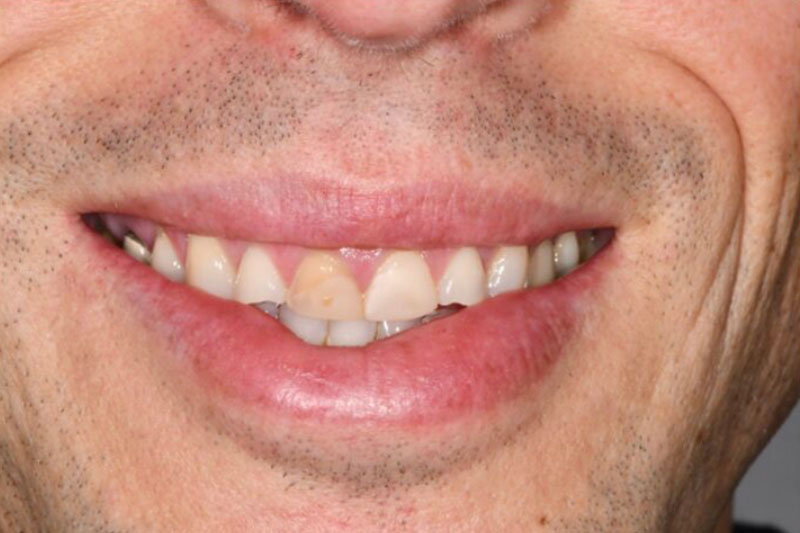
Before
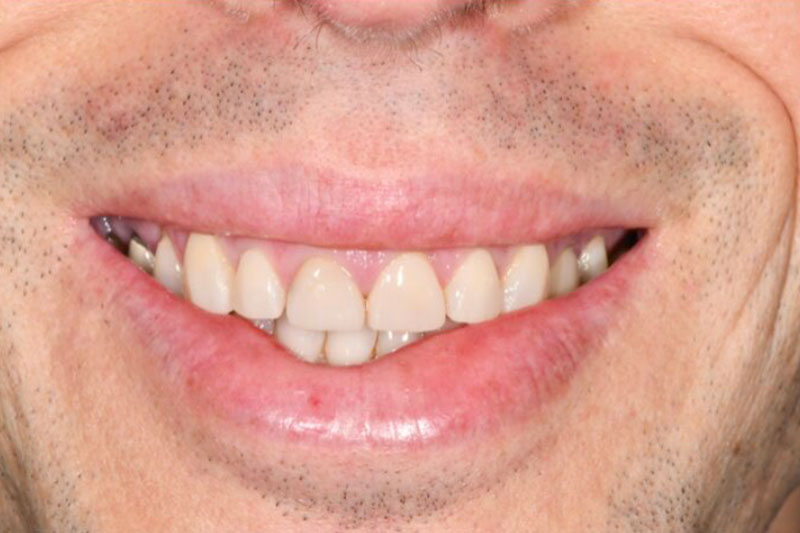
After
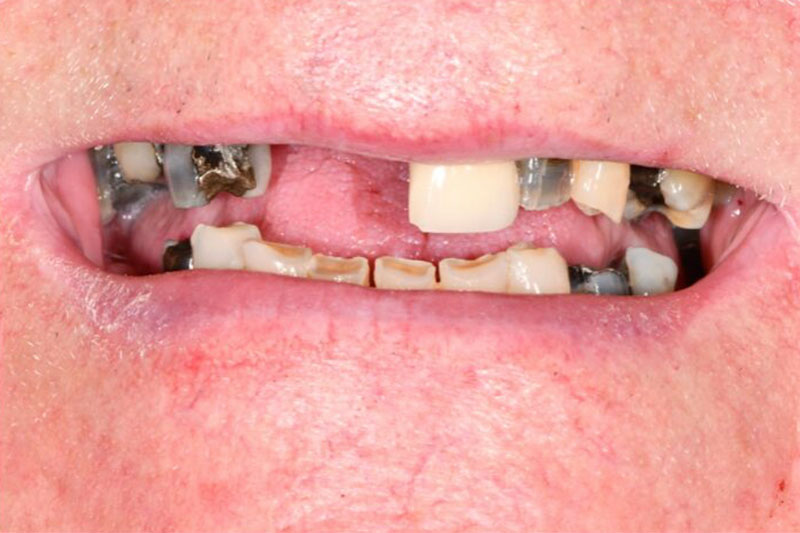
Before